
Last Updated on May 21, 2026 by Jennifer Hanson
When a child needs accommodations at school because of a disability that affects learning or access, a 504 plan can make the difference between struggle and success. In this guide we’ll explain 504 plan eligibility in clear, practical terms so parents, educators, and professionals know what to expect and what steps to take. We’ll cover the legal criteria, typical examples, the evaluation and documentation schools use, and how to request, appeal, and enforce a 504 plan, drawing on both educational practice and legal perspective.
In this guide, 504 Plan Eligibility Explained A Practical Guide For Parents Educators And Professionals 2026 is explained with clear steps and tips.
Key Takeaways — 504 Plan Eligibility Explained A Practical Guide For Parents Educators And Professionals 2026
- A 504 plan ensures students with disabilities receive necessary accommodations for equal access to education under Section 504 of the Rehabilitation Act.
- Eligibility for a 504 plan requires a physical or mental impairment that substantially limits major life activities like learning or concentrating.
- Parents or school staff can request an evaluation, which includes reviewing records, assessments, and observations to determine 504 plan eligibility.
- Specific, current medical documentation showing functional limitations strengthens a student’s eligibility case for a 504 plan.
- The 504 plan must include clear, enforceable accommodations tailored to the student’s needs, with explicit implementation steps and review dates.
- If a 504 plan is denied or accommodations are unmet, parents can appeal through school hearings or file complaints with the Office for Civil Rights.
What A 504 Plan Is And Why It Matters
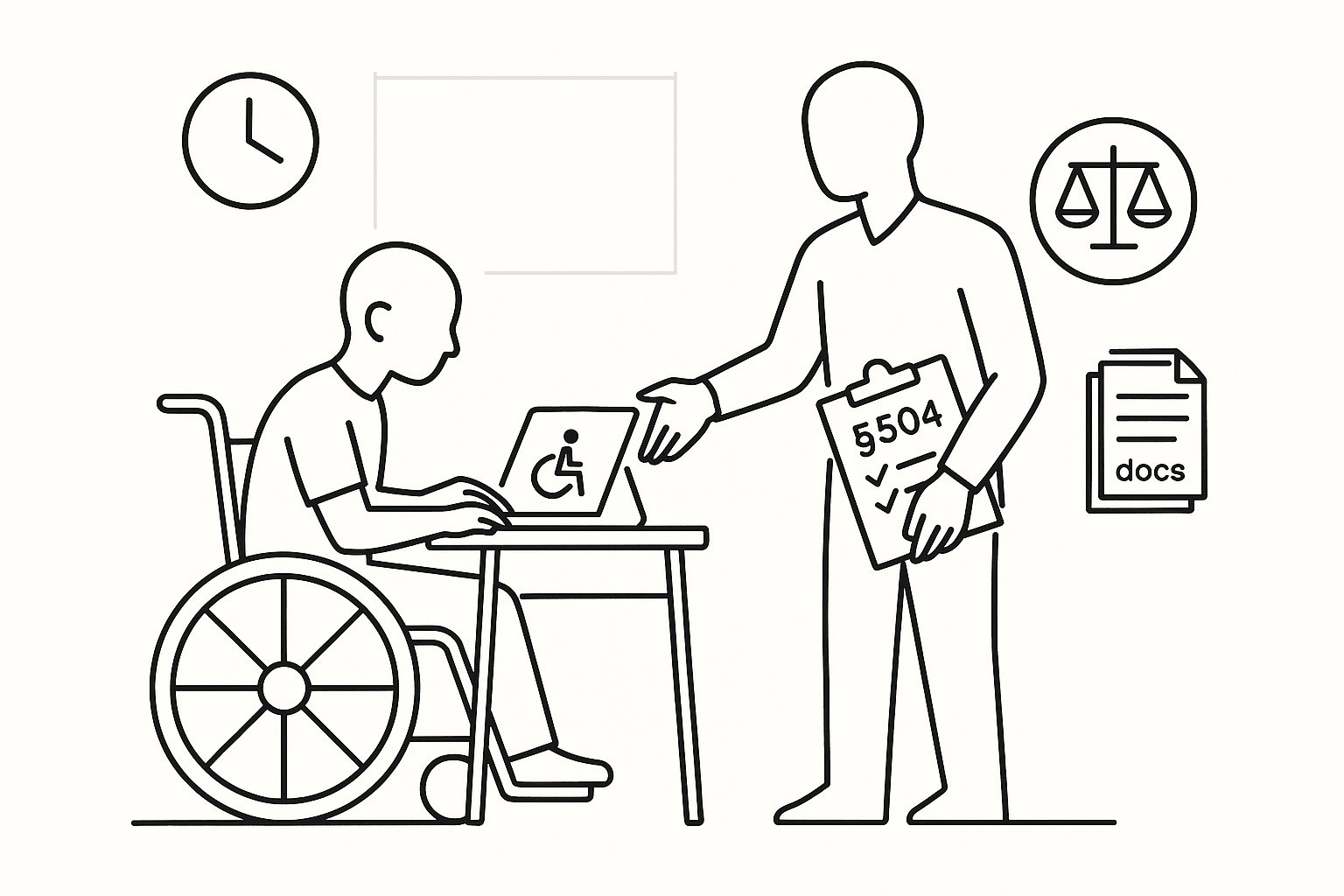
A 504 plan is a formal plan developed under Section 504 of the Rehabilitation Act of 1973 to ensure that a student with a disability receives accommodations that provide equal access to education. Unlike an Individualized Education Program (IEP), which is provided under the Individuals with Disabilities Education Act (IDEA) for students who need specialized instruction, a 504 plan focuses on removal of barriers so the student can participate in the general education curriculum.
Why it matters: a 504 plan can be the practical tool that prevents a child from falling behind. Accommodations can be simple, preferential seating, extra time on tests, or a note-taking aid, or more involved, such as modified classroom procedures, accessible materials, or assistive technology. For many families, the plan is less about radical change and more about consistent, reasonable adjustments so the student can demonstrate learning without being penalized for a disability-related limitation.
From a legal perspective, Section 504 is a civil-rights statute. Schools that receive federal funds must not discriminate against students with disabilities, and they must provide reasonable accommodations. That means 504 plan eligibility is both an educational and legal determination: the decision affects classroom practice and triggers enforceable rights. As practitioners advising healthcare and education professionals, we also see how coordinated documentation between medical providers and schools helps smooth the process and reduces disputes.
Who Is Eligible — Legal Criteria And Typical Examples
Determining 504 plan eligibility starts with the statutory standard: the student must have a physical or mental impairment that substantially limits one or more major life activities. Major life activities include learning, reading, concentrating, thinking, communicating, walking, seeing, and more. The operative words, “substantially limits”, are interpreted case by case, and they don’t require the same level of impairment as IDEA eligibility.
Typical examples of students who qualify for a 504 plan include:
- A student with attention-deficit/hyperactivity disorder (ADHD) who needs extended time on tests and frequent breaks to manage attention and processing:
- A child with controlled epilepsy who needs seizure-response planning and limited physical activity restrictions:
- A student with a chronic health condition like diabetes who requires blood glucose monitoring, schedule flexibility, and immediate access to snacks or medication:
- A student with a temporary but disabling injury (e.g., a broken leg) that substantially limits mobility for an extended period.
Not every medical diagnosis automatically meets the substantial-limitation test. The school will look at how the impairment affects the student’s ability to access the educational environment. A mild condition that has little or no impact on learning or major life activities may not qualify. We encourage families to focus documentation and discussion on functional limitations, what the child cannot do or can only do with difficulty, rather than only on diagnostic labels.
Evaluation Process And Documentation Needed For Eligibility
The eligibility determination typically follows some common steps. Parents or school staff can request an evaluation: the school must respond and cannot refuse an evaluation simply because they believe it isn’t necessary. The process often includes:
- Review of existing records: cumulative academic records, previous evaluations, health records:
- Formal assessments: educational testing, psychological evaluations, or medical reports that speak to the child’s functional limitations:
- Observations and teacher input: classroom behavior logs, work samples, and descriptions of how the impairment affects learning or participation:
- Parent interviews and physician letters: statements from parents and treating providers that tie the diagnosis to specific school-day limitations.
Key documentation that strengthens a 504 plan eligibility case: recent medical reports that describe the diagnosis, prognosis, and specific limitations: school records showing the impact on classroom performance: and concrete examples of needed accommodations. For instance, instead of a vague note that a child has asthma, documentation that spells out how frequent absences or exercise-triggered symptoms affect participation is more persuasive. Timing matters too, documentation should be current enough to reflect the student’s present condition.
We also advise families to keep a running file with medical notes, communication with the school, and examples of how the impairment affects the child. That file becomes invaluable if there’s a dispute or an appeal.
How To Request, Appeal, And Enforce A 504 Plan
Requesting a 504 plan: Parents should make a written request to the school’s 504 coordinator or building principal. If you’re a teacher or other staff member, make the referral in writing and document the date. The school must investigate, respond, and, if appropriate, schedule a meeting to develop the plan. We recommend including recent medical documentation with the initial request to speed evaluation.
Developing the plan: A 504 team typically includes the parent, relevant teachers, a school administrator, and someone knowledgeable about evaluation data. The team identifies accommodations tailored to the student’s needs, documents them clearly, and sets review dates. Accommodations should be specific: instead of “extra time,” list the exact percentage or minutes (e.g., 50% additional time on timed tests).
If the school denies the request: Parents have several routes. First, request a written explanation of the denial and the data relied upon. Then ask for an impartial hearing or file a complaint with the school district’s Section 504 coordinator. If local remedies are exhausted, families can file a complaint with the U.S. Department of Education’s Office for Civil Rights (OCR).
Appeals and enforcement: Schools must follow 504 plans once adopted. If accommodations aren’t being provided, document incidents (dates, missed accommodations, effects on grades or participation) and raise the issue with the school in writing. If the school persists in noncompliance, an OCR complaint or a due-process hearing (where available) are enforcement tools. In some cases, particularly where procedural or disciplinary actions implicate rights, legal counsel experienced in education law or disability rights can be helpful. At our firm, while we primarily advise healthcare professionals on contract matters, we also guide clients and colleagues about administrative appeals and how documentation from medical providers supports educational claims.
Practical tips we share with families: keep copies of everything, attend meetings prepared with specific accommodation requests, and ask for the 504 plan in writing with clear implementation steps and a review schedule. Small details, who will provide extra time, how tests will be administered, where a student will go to take a makeup test, make the plan enforceable rather than aspirational.
Conclusion
504 plan eligibility is a mix of medical facts, functional impact, and legal rights. By focusing on how a condition substantially limits major life activities, assembling current documentation, and following the school’s evaluation and appeal processes, families and educators can secure accommodations that level the playing field. If you hit resistance, keep detailed records and use the administrative remedies available, sometimes with professional guidance, to enforce access. We’re available to help connect the dots between medical documentation and administrative strategy so students get the supports they need.
Frequently Asked Questions About 504 Plan Eligibility
What is 504 plan eligibility and why is it important for students?
504 plan eligibility means a student has a disability that substantially limits major life activities, requiring accommodations to access education equally. This plan ensures students receive necessary supports, preventing them from falling behind due to disability-related barriers.
Who qualifies for a 504 plan under Section 504 of the Rehabilitation Act?
Students with physical or mental impairments that substantially limit major life activities like learning, concentrating, or walking may qualify. Examples include students with ADHD, epilepsy, diabetes, or temporary disabling injuries affecting school participation.
How can parents request a 504 plan evaluation for their child?
Parents should submit a written request to the school’s 504 coordinator or principal, including any recent medical documentation. The school must then respond, conduct an evaluation, and, if eligible, develop a tailored 504 plan with appropriate accommodations.
What types of documentation are needed to establish 504 plan eligibility?
Documentation includes recent medical reports detailing diagnosis and limitations, academic records showing functional impact, formal assessments, teacher observations, and parent or physician statements linking the disability to school-day challenges.
How does a 504 plan differ from an Individualized Education Program (IEP)?
A 504 plan provides accommodations to remove barriers for students with disabilities in general education, while an IEP is designed under IDEA for students needing specialized instruction. 504 plans focus on equal access without changing curriculum content.
What steps can parents take if their child’s 504 plan request is denied?
Parents should request a written explanation, then may seek an impartial hearing or file a complaint with the school district’s 504 coordinator. If unresolved, complaints can be submitted to the U.S. Department of Education’s Office for Civil Rights for enforcement.