
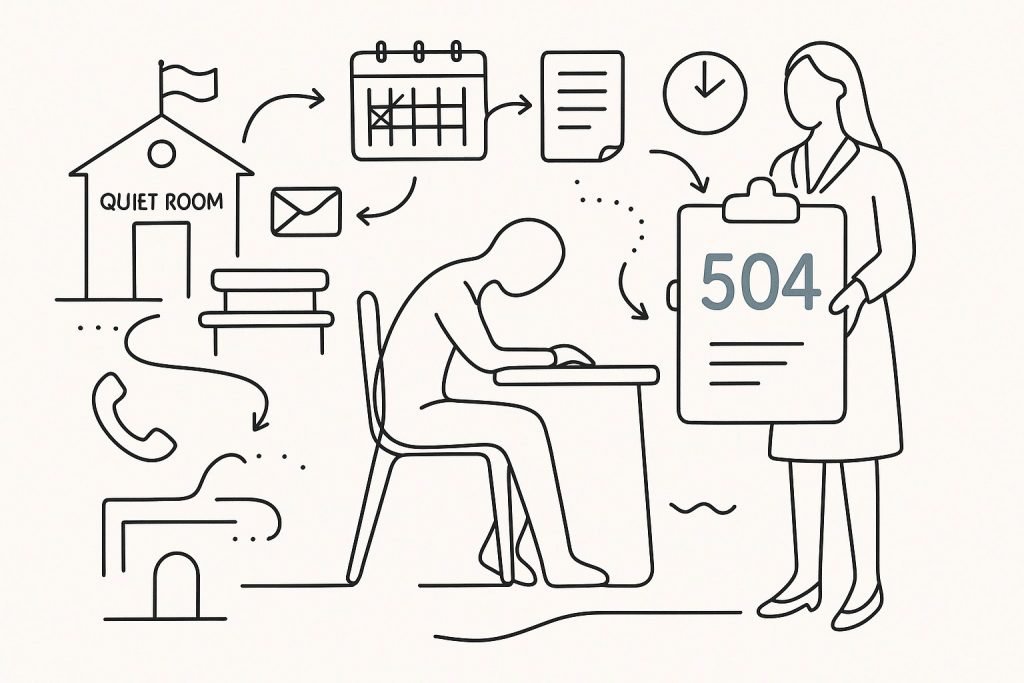
What Is a 504 Plan for Depression?
Depression can affect a student’s ability to learn, attend school regularly, and participate fully in classroom activities. A 504 plan
The category “504 Mental Health & Medical” focuses on the intersection of mental health and medical considerations under Section 504 of the Rehabilitation Act. Here, you will find valuable insights into navigating the complexities of mental health challenges and medical conditions, ensuring that individuals receive the support they need to thrive in educational settings. Explore topics such as Is Chronic Fatigue Syndroms a Disability?, How to Get Dermabond Off?, and the Early Childhood Special Education Program. Each post is designed to empower you with knowledge and practical strategies. Dive into our resources and enhance your understanding today!
Depression can affect a student’s ability to learn, attend school regularly, and participate fully in classroom activities. A 504 plan

Explore the qualifying factors for homebound services for students, including medical documentation, educational performance, and professional assessments. This article offers deep insights into the holistic approach taken to ensure students’ well-being and academic progress despite health challenges.

Take a dive into our comprehensive guide that equips parents with practical strategies to ensure a smooth transition from kindergarten to first grade. Learn about the critical role of open communication with teachers and structured routines in child development and academic success. Discover ways to foster emotional resilience and how your proactive involvement can help children thrive during this important educational leap.

Explore how to support students with Emotional Disturbance (ED) in special education programs. This article discusses customized learning objectives, comprehensive assessments, and the importance of teamwork, while highlighting the vital role of regular feedback and reinforcements for motivation and positivity. Dive in to understand how patience and perseverance ensure successful adaptation to changing student needs.

Discover what homebound schooling entails and how it provides personalized, one-on-one education for students unable to attend traditional classrooms due to medical, physical, or emotional challenges. Learn about its benefits, challenges, and the tailored support it offers to ensure academic progress, emotional well-being, and a seamless transition back to school when possible.

Explore our insightful guide on strategies for addressing Emotional Disturbance (ED) in special education. Learn the importance of early intervention, positive reinforcement, and social skills training for students with ED. Discover how collaboration between educators, parents, and mental health professionals can support these students. Embrace adaptability for a conducive learning environment.
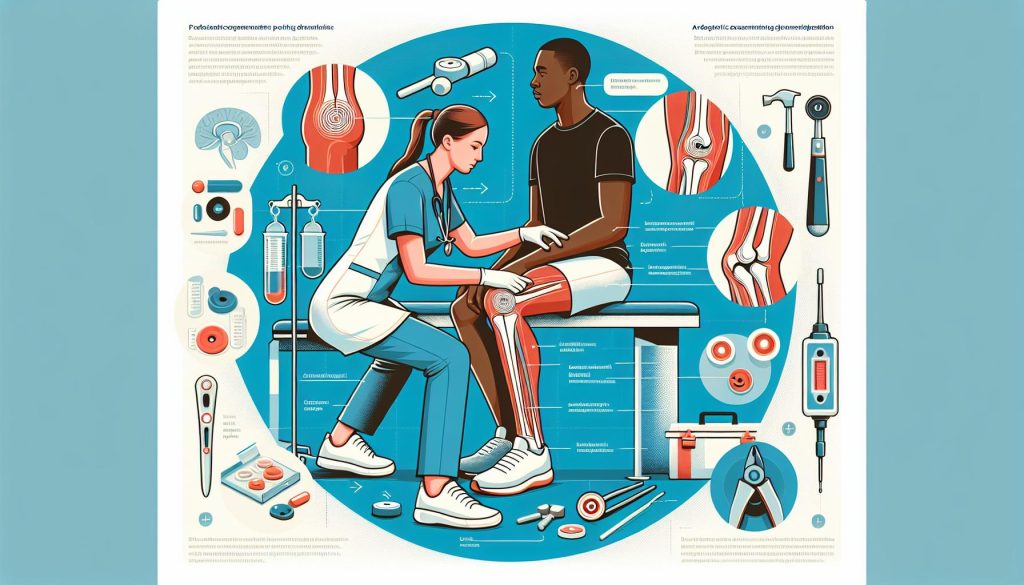
Discover the basics of orthopedic impairments in this insightful piece. Delve into recognizing symptoms, the significance of early detection, and diverse treatment avenues — from physical therapy to surgery. Explore the critical role of healthcare providers and specialty orthopedic centers in managing these conditions.

Uncover the intricacies of obtaining a 504 Plan in education for students with disabilities without a formal medical diagnosis. Explore alternatives and understand why the impact of the condition, not the diagnosis, is key to qualifying for this essential learning aid.

Discover the meaning of hyperfixation—an intense focus on tasks or interests often linked to ADHD, autism, or anyone deeply engaged. Learn its traits, benefits, challenges, and how to manage it effectively for better mental health and balance. Uncover the complexities of hyperfixation and its impact on productivity, creativity, and self-care.
Dive into the fast-paced world of Other Health Impairments (OHI) in special education. OHI covers many medical challenges that can