
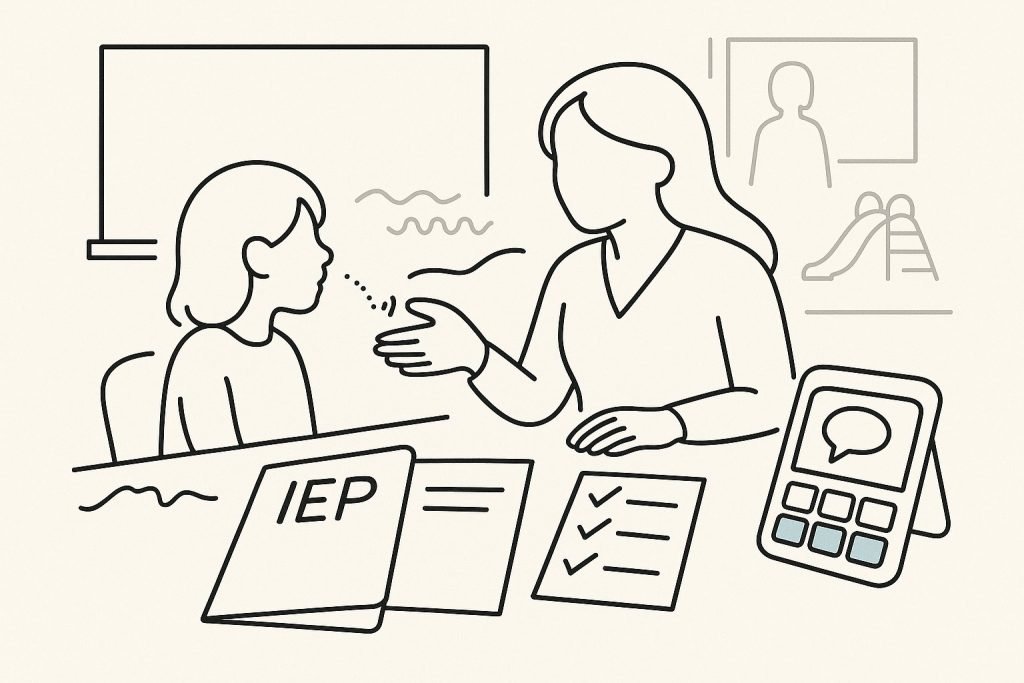
What Is Speech Therapy In Special Education?
When a child struggles to communicate, read social cues, or articulate sounds, families and schools often turn to speech therapy
The category “Communication, Speech/Language, Social & Sensory/AT” focuses on essential skills that enhance interactions and understanding in various settings. By exploring effective communication strategies, speech and language development, and sensory integration techniques, you can empower individuals to thrive socially and emotionally. Discover practical resources that support learning and growth. Whether you’re looking for creative activities like How to Make Sensory Bottles?, insights into assistive technology with What is AAC in Special Education?, or relationship-building tips through How to Compromise in Relationships?, this category offers valuable information. Explore the posts below to enhance your understanding and support your journey in communication and social skills development.
When a child struggles to communicate, read social cues, or articulate sounds, families and schools often turn to speech therapy
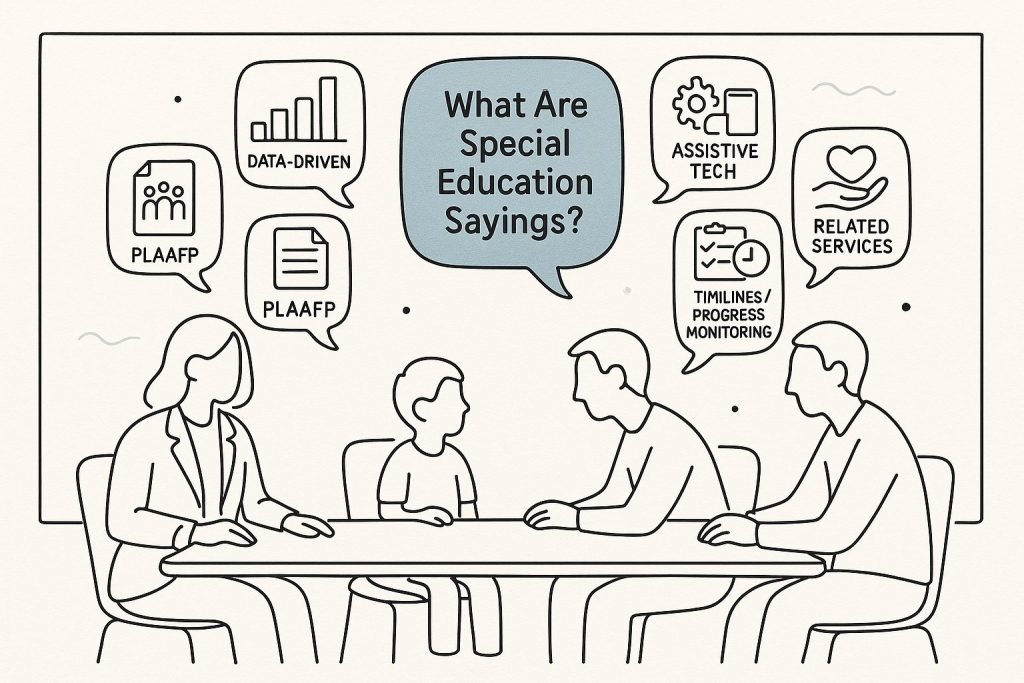
When we step into an Individualized Education Program (IEP) meeting or talk with special education providers, we often hear a

Discover the vital role of Early Childhood Special Education (ECSE) in supporting children with developmental delays or disabilities through tailored programs. Learn about Individualized Education Programs (IEPs), the importance of multidisciplinary approaches, and the challenges faced. Explore strategies for effective teaching, including adapted methods and technology integration to enhance learning.
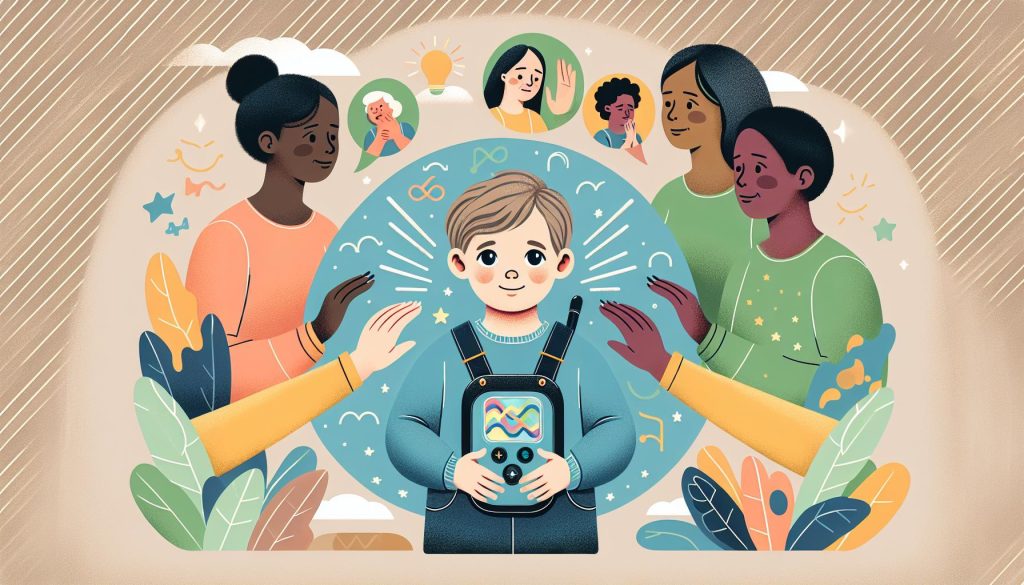
Discover the critical role of scripting in autism, from echolalic and self-talk scripting to emotional regulation and communication benefits. Learn the causes and impact of scripting, and explore effective strategies like ABA, Social Stories™, and AAC devices to manage and support individuals on the autism spectrum, promoting spontaneous communication and reducing reliance on scripts.
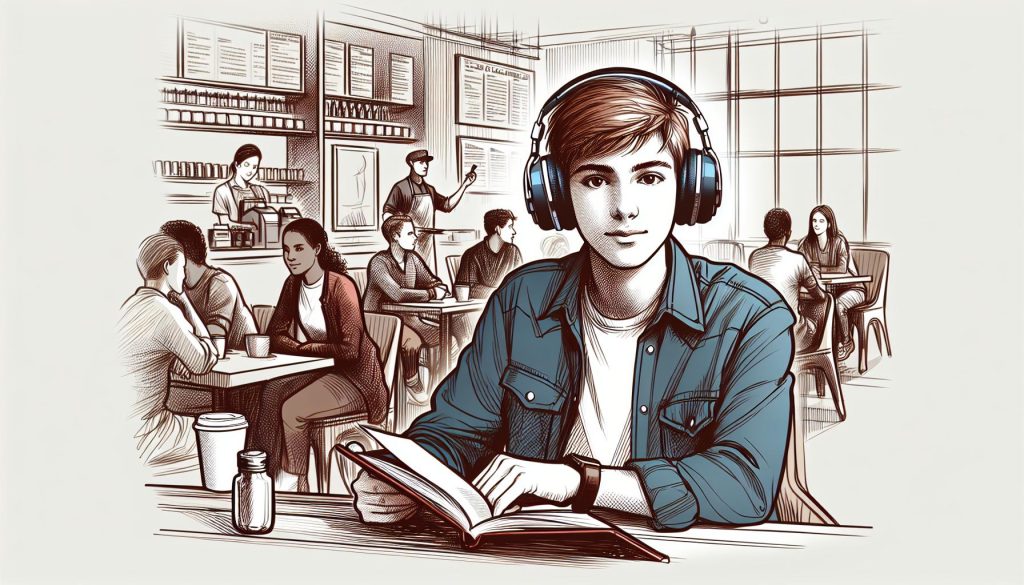
Discover why noise-canceling headphones are essential for autistic individuals, offering relief from sensory overload and enhancing focus. Learn from personal testimonies and expert insights on how brands like Bose, Sony, Sennheiser, and Audio-Technica support comfort, reduce anxiety, and improve the quality of life for those with autism.
Discover the vital role of adaptive skills in special education, focusing on enhancing independence and functionality for individuals with special needs. Learn about essential skills like communication, self-care, and social interaction, along with the transformative impact of technology and future trends like AI and VR. Explore how collaboration among parents, caregivers, and educators can foster growth and success.

Discover how early diagnosis of Autism Spectrum Disorder (ASD) by specialists like Developmental Pediatricians, Child Neurologists, Child Psychiatrists, and Child Psychologists can lead to effective intervention strategies. Learn about the comprehensive assessments and diagnostic procedures focusing on behavior, communication, and neurological development used to identify and manage ASD.

Explore the link between ADHD and sensory overload in this insightful article. Learn how professional therapists utilize tools, strategies, and Cognitive Behavioral Therapy to manage sensory challenges and improve focus. Understand the importance of seeking personalized help, adopting lifestyle changes, and developing effective coping mechanisms to enhance overall sensory health and quality of life.

Discover why headphones are a vital tool for individuals with autism. Learn how they help manage sensory sensitivities, reduce overstimulation, and improve focus. Explore the benefits of noise-canceling headphones, their role in promoting emotional regulation, and tips for selecting the right pair to enhance comfort and confidence in navigating sensory-heavy environments.
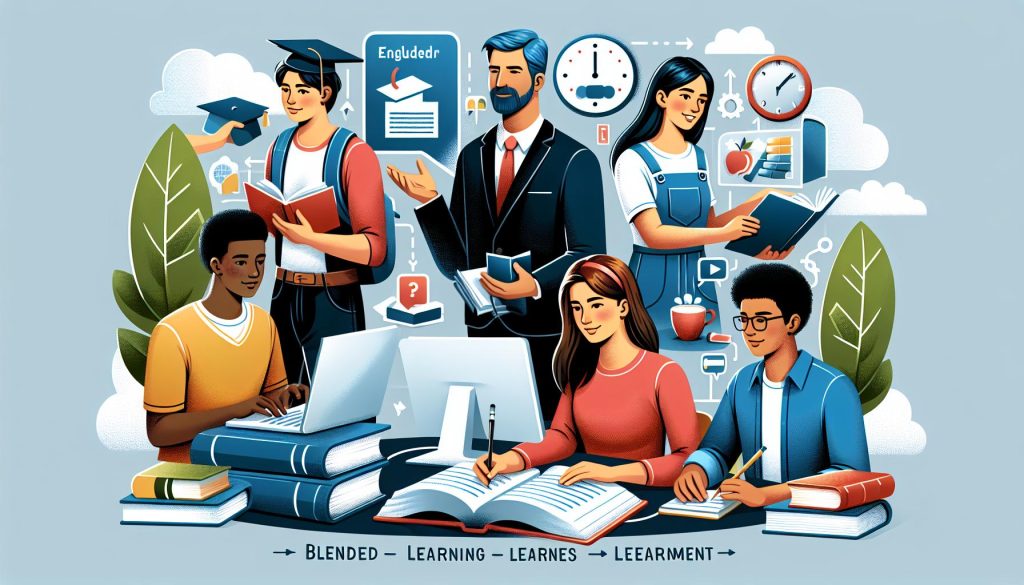
Explore the specialized approaches vital for English Language Learners (ELLs) in special education. Learn about blended learning techniques, peer collaboration benefits, and the importance of culturally sensitive teaching. Understand that perfecting these methods is a process of continuous evolution and adaptation.