
Last Updated on April 24, 2026 by Jennifer Hanson
Section 504 plans are a cornerstone of inclusive education, and teachers are the primary people who translate legal protections into everyday practice. In this guide we explain what a 504 plan is, outline the concrete responsibilities teachers have under Section 504, and offer practical strategies for classroom implementation, documentation, and collaboration. Whether you’re a classroom teacher, special education coordinator, or an administrator, we’ll walk through when you must act, how to monitor accommodations effectively, and how to keep communication clear and legally defensible.
In this guide, What Are 504 Plan Teacher Responsibilities A Practical Guide For Teachers And Administrators 2026 is explained with clear steps and tips.
Key Takeaways — What Are 504 Plan Teacher Responsibilities A Practical Guide For Teachers And Administrators 2026
- Teachers play a crucial role in implementing Section 504 plans by delivering accommodations and monitoring their effectiveness in daily classroom activities.
- Following a 504 plan exactly as written ensures legal compliance and protects students’ rights to equitable education access.
- Teachers should promptly refer students showing signs of disability-related challenges to the 504 coordinator for timely evaluation and support.
- Consistent documentation and clear communication with the 504 team and parents are essential for effective collaboration and legal protection.
- Using targeted instructional strategies and ongoing monitoring helps tailor accommodations to meet each student’s unique needs.
- When accommodations are ineffective or conflicts arise, teachers must engage the multidisciplinary 504 team to adjust plans and resolve issues collaboratively.
What A 504 Plan Is And Why Teachers Matter
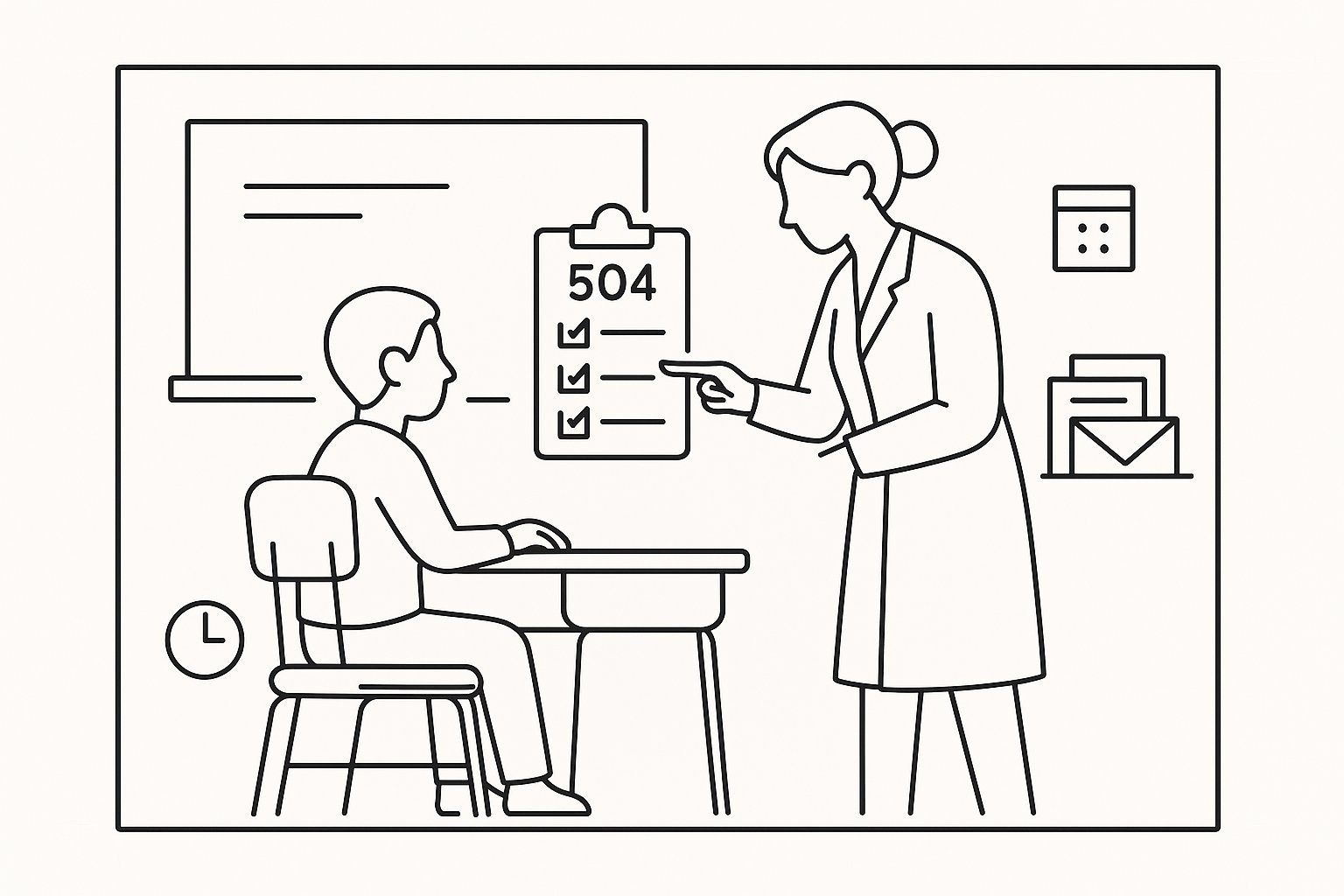
A Section 504 plan comes from Section 504 of the Rehabilitation Act of 1973. It protects students with disabilities from discrimination and requires schools to provide reasonable accommodations so students can access their education. Unlike an IEP, a 504 plan doesn’t change curriculum or guarantee specialized instruction: it removes barriers. That said, teachers are the front line: we carry out day-to-day accommodations, observe whether they’re working, and raise concerns when adjustments are needed.
Teachers matter for three practical reasons. First, we’re the ones who see learning and behavior across contexts, classroom, exams, group work, so our observations are often the first indicator that a student needs support. Second, we translate written accommodations into routines and instructional strategies. A plan that lists “extended time” or “preferential seating” only helps if it’s executed consistently. Third, our documentation and communication with parents, case managers, and administrators create the paper trail that demonstrates compliance and protects both the student’s rights and the district’s legal obligations. In short: the legal protections of Section 504 are only as effective as the classroom practices that bring them to life.
Teachers’ Core Legal, Ethical, And Practical Responsibilities Under Section 504
Under Section 504, teachers hold responsibilities that are legal, ethical, and highly practical. Legally, schools must provide reasonable accommodations to qualified students with disabilities and avoid discriminatory practices. Ethically, teachers must honor student dignity, confidentiality, and equitable access. Practically, we need to ensure accommodations are implemented, monitored, and adjusted when they’re not meeting the student’s needs.
Key duties include following the 504 plan exactly as written, providing accommodations during instruction and assessment, and preserving confidentiality. We must also avoid altering the student’s curriculum without proper team review. When conflicts arise, such as safety concerns or classroom management issues, teachers should engage the 504 team rather than unilateral changes. Finally, we’re responsible for keeping accurate records showing what accommodations were provided and when, so that the school can demonstrate compliance if questions arise.
Identification, Referral, And Timely Action: When Teachers Must Act
Teachers often initiate the chain that leads to a 504 plan. If we notice a consistent pattern, significant difficulty accessing instruction, repeated medical absences, or behavior linked to a health condition, we should refer the student to the school’s 504 coordinator or health services. Timeliness matters: once a referral is made, schools are expected to evaluate and respond without unreasonable delay. We should provide observational data, samples of student work, and notes on interventions already tried. Prompt action protects the student’s rights and reduces learning gaps.
An important practical point: informal accommodations, temporary seating changes or alternate assignments, can be useful short-term, but if a student needs recurring supports, we must document and push for formal evaluation. That protects the student and clarifies responsibilities for the entire team.
Classroom Implementation, Monitoring, And Instructional Strategies
Implementing a 504 plan starts with clarity. We should read the plan carefully, highlight specific accommodations, and translate them into classroom procedures. For example, “extended time” should include exact timing protocols for quizzes and tests: “preferential seating” should specify location and rationale. We recommend creating quick-reference sheets for substitute teachers and paraeducators so accommodations remain consistent.
Instructional strategies that align with many 504 accommodations include: chunking tasks into smaller steps, offering multimodal instruction (visuals + audio + hands-on), providing scaffolds like graphic organizers, and using checklists to support executive-function challenges. For assessments, consider alternative formats only when permitted by the plan: otherwise, use standard modifications such as extra time, small-group testing, or a scribe.
Monitoring is ongoing. We should collect data, completion rates, rubric scores, observational notes, and schedule periodic check-ins with the student and 504 team. Small adjustments matter: if extended time repeatedly doesn’t translate into better performance, we should document that and request a team meeting to explore different supports. Finally, consistency across settings (PE, lunch, field trips) is essential: communicate accommodations to staff beyond the classroom so the student experiences continuity.
Documentation, Communication, Collaboration, And Problem-Solving
Clear documentation is both good practice and legal protection. Keep dated logs of accommodations provided, emails about implementation, and notes from interactions with parents or providers. When we document, we focus on objective facts: what accommodation was provided, for how long, and what the outcome was. Avoid subjective judgments or speculation in written records.
Communication should be proactive and solution-focused. We share observations with the 504 coordinator, involve parents early, and invite suggestions from related service providers. When problems arise, accommodations not producing the expected effect, or disagreements over what’s reasonable, we escalate to the multidisciplinary 504 team. That team typically includes teachers, a district representative, the 504 coordinator, parents, and when appropriate, the student.
Collaboration techniques that work: schedule short weekly check-ins after a plan is implemented, use shared digital logs (secure and FERPA-compliant) for tracking, and develop a small, written “how-to” for teachers and substitutes. Problem-solving should follow data: present specific examples of what failed, propose alternatives, and set a timeline to reassess. If legal questions or appeals surface, such as allegations of discrimination or refusal to provide services, schools sometimes consult legal counsel. In our context, professional advisors like those at Chelle Law can help districts or staff understand obligations, but the first step is always team-based problem-solving grounded in documentation.
Conclusion
Teachers are pivotal to making 504 plans work. We translate legal obligations into daily practices, monitor effectiveness, and collaborate to solve problems. By following written plans closely, documenting implementation, and keeping communication constructive, we protect student access and reduce legal risk for our schools. When in doubt, escalate with data and involve your 504 team, timely, documented action is the best safeguard for students and educators alike.
Frequently Asked Questions About 504 Plan Teacher Responsibilities
What are the primary responsibilities of teachers under a 504 plan?
Teachers must implement the accommodations exactly as written, monitor their effectiveness, document accommodations provided, maintain confidentiality, and collaborate with the 504 team to ensure the student’s needs are met.
How should teachers monitor and document 504 plan accommodations?
Teachers should keep dated logs of accommodations, record observations and outcomes objectively, communicate regularly with the 504 team, and provide data to support any changes or concerns about the plan’s effectiveness.
When should a teacher refer a student for a 504 plan evaluation?
Teachers should refer a student when they observe consistent learning difficulties, behavior issues linked to health conditions, repeated absences, or when informal accommodations are insufficient and recurring supports are needed.
What practical strategies can teachers use to implement 504 plans in the classroom?
Teachers can translate accommodations into clear routines, use instructional strategies like chunking tasks, multimodal instruction, scaffolds, and ensure consistency by providing quick-reference guides for substitutes and communicating accommodations to all staff.
Can teachers change a 504 plan or curriculum independently?
No, teachers must not alter the student’s curriculum or accommodations unilaterally. Any changes should be discussed and approved by the full 504 team to maintain legal compliance and proper support.
Why is teacher communication important in managing 504 plans?
Effective communication with parents, coordinators, and service providers ensures accommodations are consistent, problems are addressed promptly, and legal protections are upheld to support the student’s education and rights.