
Last Updated on October 16, 2026 by Jennifer Hanson
Starting kindergarten is a big step, and when your child has an Individualized Education Program (IEP), the goals written for that year shape their learning, supports, and progress. We often hear from parents who are overwhelmed by IEP jargon or unsure how goals translate to daily school life. In this guide we’ll explain what an IEP for kindergarten looks like, how goals are written (using the SMART framework), common goal areas you’ll see, and practical ways we can advocate effectively at meetings. By the end, you’ll feel more confident reading and discussing kindergarten IEP goals with your team.
In this guide, What Are IEP Kindergarten Goals A Parents Guide To Goals Examples And Advocacy 2026 is explained with clear steps and tips.
Key Takeaways — What Are IEP Kindergarten Goals A Parents Guide To Goals Examples And Advocacy 2026
- IEP kindergarten goals are specific, measurable targets that guide learning and support services for young children with special needs.
- Using the SMART framework ensures goals are clear, achievable, relevant, and time-bound, enhancing progress tracking and accountability.
- Kindergarten IEPs focus on foundational skills like early literacy, math concepts, social interaction, motor skills, and essential routines.
- Parents should prepare for IEP meetings by collecting documentation, reviewing draft goals, and advocating for clear measurement and appropriate supports.
- Regular progress monitoring and communication between parents, teachers, and therapists are essential to adjust goals and ensure effective interventions.
- Understanding and discussing IEP kindergarten goals confidently helps parents become strong advocates for their child’s educational success.
What Is An IEP For Kindergarten And Why Goals Matter
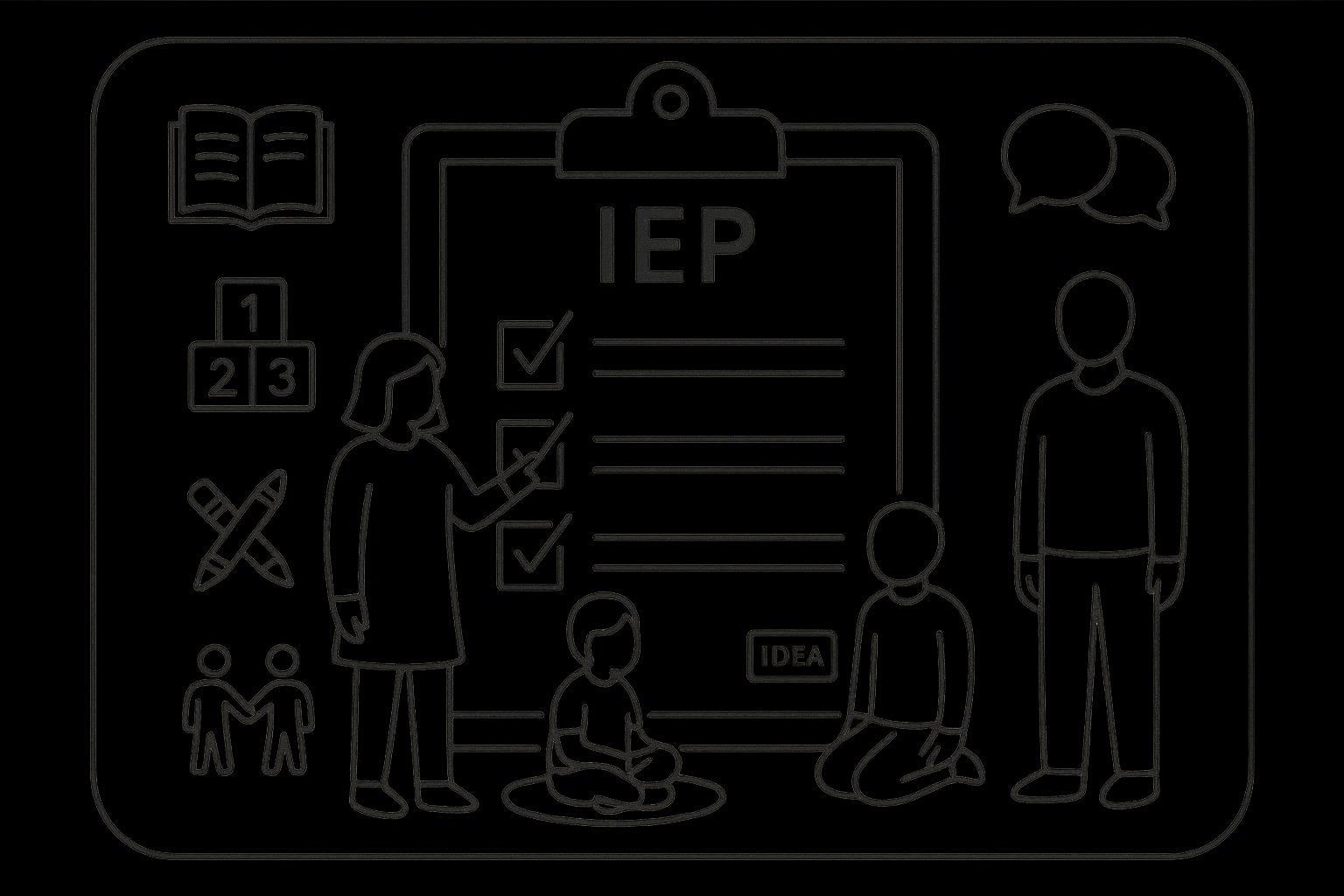
An IEP (Individualized Education Program) for kindergarten is a legal document that describes a child’s unique educational needs, the special education services they’ll receive, and measurable annual goals designed to help them make progress in the general curriculum. For young learners, kindergarten IEPs focus on foundational skills, early literacy, basic math concepts, social interaction, motor skills, and routines, plus accommodations or services like speech therapy, occupational therapy, or classroom aide support.
Goals matter because they convert observed needs into actionable targets. Instead of vague statements like “improve behavior” or “work on speech,” an effective IEP spells out what success looks like, by when, and under what conditions. That clarity keeps the team accountable: teachers know which strategies to try, therapists coordinate interventions, and parents can monitor progress at home. We should also remember that goals are not static, they’re reviewed at least annually (more often if needed) and revised based on the child’s progress.
Finally, because an IEP is a legal document under the Individuals with Disabilities Education Act (IDEA), goals carry procedural importance. They help determine eligibility for services and form the basis for progress reporting, placement decisions, and, if necessary, advocacy or dispute resolution.
How IEP Goals Are Written: The SMART Framework And A Sample Goal
We encourage parents to ask whether each IEP goal meets the SMART criteria: Specific, Measurable, Achievable, Relevant, and Time-bound. SMART goals reduce ambiguity and make it easier to track whether a child is advancing.
- Specific: The goal describes a particular skill or behavior rather than a general area. Who will do what, and under which conditions?
- Measurable: The team identifies concrete ways to measure progress (counts, percentages, levels of support).
- Achievable: The target is realistic given the child’s starting point and available supports.
- Relevant: The goal aligns with the child’s educational needs and classroom expectations.
- Time-bound: The goal includes a deadline, typically by the end of the IEP year, and interim benchmarks.
Sample SMART goal for kindergarten (literacy):
“Given teacher-led phonics instruction and visual supports, [Student] will correctly identify the beginning sounds of 20 common CVC (consonant-vowel-consonant) words in 4 out of 5 trials across three consecutive sessions by the end of the IEP year.”
This example is specific (beginning sounds of CVC words), measurable (20 words: 4/5 trials across three sessions), achievable (with supports), relevant (foundational literacy), and time-bound (by the end of the IEP year).
When reading goals, we also look for linked short-term objectives or progress-monitoring criteria. For kindergarten, teams often include monthly or quarterly benchmarks so parents can see progress without waiting a full year. Documentation of progress, probe data from the teacher or therapist, should be shared at least as often as the IEP states, and we recommend asking for regular written updates if you’re unsure how often you’ll get them.
How Parents Can Advocate And Prepare For The IEP Meeting
Preparing for an IEP meeting takes a bit of strategy. We find it helpful to gather specific examples of your child’s skills and challenges: recent work samples, short videos of classroom tasks or play, teacher emails, and notes from outside providers. Bring a prioritized list of your top concerns and desired outcomes, this keeps the meeting focused.
Ask for draft goals ahead of time whenever possible. Reviewing goals in advance gives you space to identify vague language or unrealistic expectations. If a goal isn’t measurable, propose clear measurement criteria (for example, frequency counts, percent accuracy, or number of prompts needed). Don’t be afraid to request concrete supports (assistive technology, visual schedules, preferential seating), and ask how progress will be measured and reported.
During the meeting, take notes and ask clarifying questions: “How will we know this is working?” “Who is responsible for data collection?” “What does general education instruction look like for this skill?” If we disagree with a goal or placement, we can propose alternatives and request time to review revised language after the meeting. Finally, remember your procedural safeguards: you have the right to bring an advocate or attorney, request independent evaluations, and receive copies of the IEP and evaluations.
Conclusion
Kindergarten IEP goals set the stage for a child’s school year, they guide instruction, establish accountability, and define meaningful progress. By insisting on SMART, measurable goals and preparing for the IEP meeting with documentation and clear priorities, we can be stronger partners in our child’s education. If you ever feel unsure about wording or legal rights, consider consulting a special education advocate or attorney to help protect your child’s access to appropriate services and supports.
Frequently Asked Questions About IEP Kindergarten Goals
What are IEP kindergarten goals and why are they important?
IEP kindergarten goals are specific, measurable targets in a child’s Individualized Education Program designed to address their unique learning needs. They guide instruction, support services, and progress tracking, ensuring the child advances effectively in key areas like literacy, math, social skills, and motor abilities.
How are effective kindergarten IEP goals written?
Effective kindergarten IEP goals follow the SMART framework: they are Specific, Measurable, Achievable, Relevant, and Time-bound. This clarity helps educators, therapists, and parents monitor tangible progress and adjust supports as needed throughout the school year.
What types of skills do kindergarten IEP goals typically focus on?
Kindergarten IEP goals usually target foundational skills such as early literacy (like phonics), basic math concepts, social interaction, motor skills, and adapting to classroom routines, often integrated with related therapies like speech or occupational therapy.
How can parents effectively advocate for their child’s IEP goals?
Parents can prepare for IEP meetings by collecting examples of their child’s skills and challenges, reviewing draft goals in advance, asking for measurable criteria, requesting necessary supports, and taking notes during meetings. Knowing legal rights and bringing an advocate can also strengthen their role.
Why is it important to have measurable and time-bound goals in a kindergarten IEP?
Measurable and time-bound goals provide clear criteria to assess progress and a deadline, typically by the end of the IEP year. This ensures accountability among educators and therapists, enables timely adjustments, and helps parents track their child’s development effectively.
Can IEP kindergarten goals be changed during the year?
Yes, IEP goals are reviewed at least annually and can be revised more frequently if needed based on the child’s progress. Adjustments ensure the goals remain achievable and aligned with the child’s evolving educational needs and supports.